
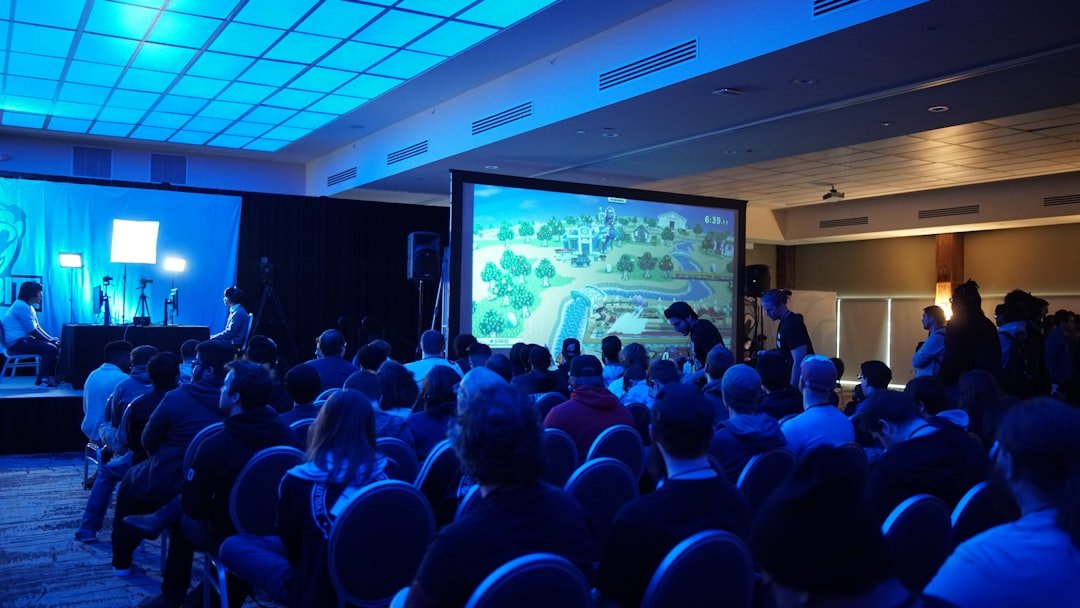
When a corporate event moves from Dubai to India, the creative direction may stay the same, but the production environment changes. Venue infrastructure, rigging rules, power, supplier workflows, load-in windows and local operating practices can all affect how the show is delivered.
The goal is not to copy a Dubai setup item for item. It is to preserve the intended audience experience while translating the production plan to the local venue and market.
1. Start with the show requirements, not the equipment list
Before requesting AV quotations, define what the event actually needs to achieve. A leadership summit, town hall, product launch, dealer meet or awards evening can require very different technical systems even when the audience size is similar.
Lock the event format, stage activity, presentation workflow, video content, panel discussions, remote speakers, interpretation requirements and recording or streaming needs first. The equipment schedule should follow those requirements.
2. Reconfirm the venue technical conditions
Do not assume a ballroom or convention hall in India will operate like a familiar Dubai venue. Request current technical drawings and confirm ceiling height, rigging points, floor loading, power distribution, loading access, service lifts, noise restrictions, house AV rules and allowed setup hours.
For complex events, a technical recce before final drawings can prevent expensive changes during load-in.
3. Protect visual consistency while adapting the hardware
Brand teams often care about maintaining the same visual language across markets. That does not mean the exact same LED processors, lighting fixtures or speaker models must be used in every city.
Instead, define the outcome: screen size and resolution, viewing distance, stage proportions, lighting look, audio coverage, camera requirements and presentation confidence systems. Local teams can then engineer equivalent solutions using equipment that is available, supportable and appropriate for the venue.
4. Standardise content specifications early
Cross-market events often run into problems because content is produced before the final technical specification is confirmed. Establish LED resolution, aspect ratios, playback formats, codec requirements, presentation dimensions and delivery deadlines before the creative team exports final assets.
Keep one approved content master and a clear version-control process so the onsite team is not deciding between multiple files minutes before doors open.
5. Plan redundancy around critical show functions
Backup strategy should focus on the systems that can stop the programme if they fail. Depending on the event, that may include presentation computers, playback, wireless microphones, video switching, network connectivity or power paths.
Redundancy does not mean duplicating everything. It means understanding where a single failure would have the highest operational impact and planning accordingly.
6. Build the schedule around production reality
A corporate agenda may begin at 9:00 a.m., but the technical schedule starts much earlier. Rigging, stage build, LED installation, audio tuning, lighting focus, content testing, speaker checks and rehearsals all need protected time.
International teams should define load-in and rehearsal windows before flights and speaker schedules are finalised. A technically comfortable event usually has enough time to test the complete show, not only the presentation deck.
7. Use one run of show across departments
The run of show should connect programme timings with technical cues. It should identify walk-ons, videos, microphone changes, lighting states, stage resets, panel setups, award sequences and contingency notes.
When the programme is complex, one show caller or technical lead should coordinate audio, video, lighting, stage management and content playback from the same cue structure.
8. Give local production clear decision ownership
For an overseas organising team, local production coordination is not simply vendor management. Someone needs to own venue communication, production drawings, technical suppliers, fabrication interfaces, crew timings and onsite changes.
For projects in India, DXB Audio Visual can coordinate with related business Upshot Concept, an India-based event management and technical production company under common ownership, to provide local planning and show execution while the organising team retains control of the brief and approvals.
9. Rehearse transitions, not just presentations
A useful rehearsal should test speaker entrances, walk-on music, videos, lighting cues, panel changes, microphone handovers, confidence monitors and stage resets. These transitions are where a well-designed production plan becomes a smooth live show.
Also test the communications chain between show caller, stage manager, audio, video, lighting and venue operations.
10. Keep a simple cross-market handover checklist
- Approved venue and technical drawings
- Stage and scenic dimensions
- LED or projection specification
- Audio and microphone plan
- Power and rigging requirements
- Content specifications and deadlines
- Load-in, rehearsal and show schedule
- Speaker management plan
- Run of show and cue ownership
- Backup and redundancy plan
- Local production contacts and escalation route
Final thought
Consistency across markets comes from a consistent production standard, not from forcing identical equipment into different venues. Clear technical outcomes, disciplined content control, sufficient rehearsal time and strong local ownership allow a corporate event to retain its brand experience while adapting intelligently to each city.
